

Open source relational databases are becoming the backbone of modern enterprise applications. As organizations demand greater scalability, flexibility, and cost efficiency, they are increasingly adopting open source relational databases such as PostgreSQL, MySQL, and MariaDB to power mission-critical systems.
In today’s fast-evolving technology landscape, these databases deliver the reliability of traditional systems while providing the freedom of open-source innovation. With strong community support, continuous improvements, and enterprise-grade capabilities, open source relational databases have become a preferred choice for building scalable and secure applications.
What is an Open-Source Relational Database?
An open-source relational database is a database management system (RDBMS) that stores data in structured tables (rows and columns) and allows users to access and manipulate data using Structured Query Language (SQL). Being open source means the source code is freely available, enabling organizations to customize, extend, and optimize the database according to their needs without vendor lock-in.
Why Choose Open Source?
Open-source relational databases have become a preferred choice for enterprises due to several key advantages:
- Cost Efficiency: No licensing fees significantly reduce total cost of ownership.
- Flexibility: Full control over customization and deployment.
- Strong Community Support: Continuous improvements, security patches, and innovation.
- Vendor Independence: Avoid dependency on proprietary systems.
- Enterprise-Grade Capabilities: Modern open-source databases now offer features comparable to commercial solutions.
Popular Open-Source Relational Databases
PostgreSQL is widely regarded as the most advanced open-source relational database. It supports complex queries, advanced indexing, JSON data types, and extensibility through plugins. PostgreSQL is ideal for enterprise systems requiring high reliability, data integrity, and scalability.

MySQL is one of the most popular databases globally, known for its simplicity, performance, and widespread adoption. It is commonly used in web applications, content management systems, and SaaS platforms.
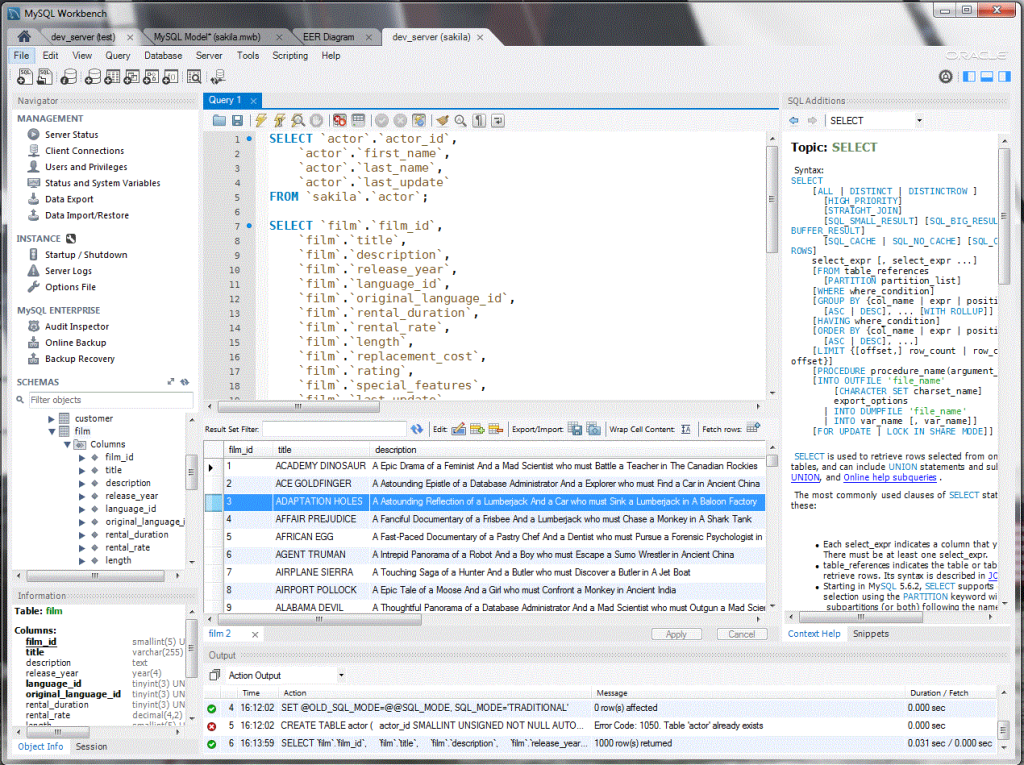
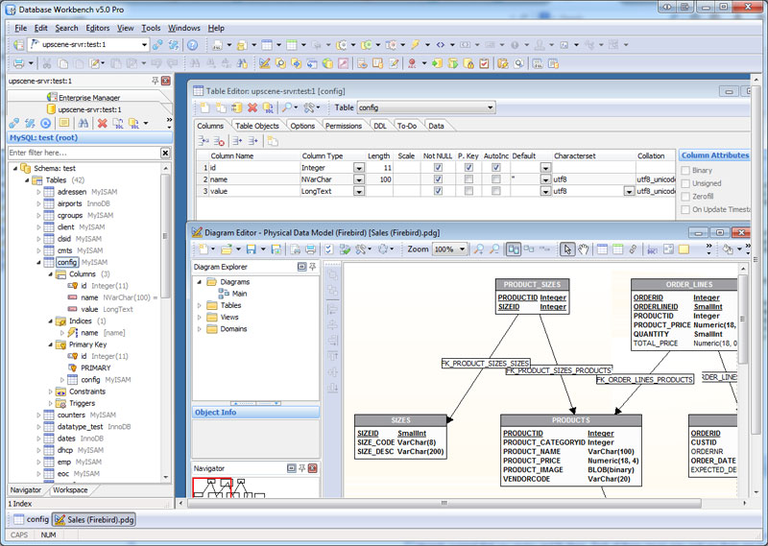
MariaDB is a community-driven fork of MySQL that offers improved performance and additional features while maintaining compatibility. It is a strong choice for organizations looking for a fully open-source alternative to MySQL.
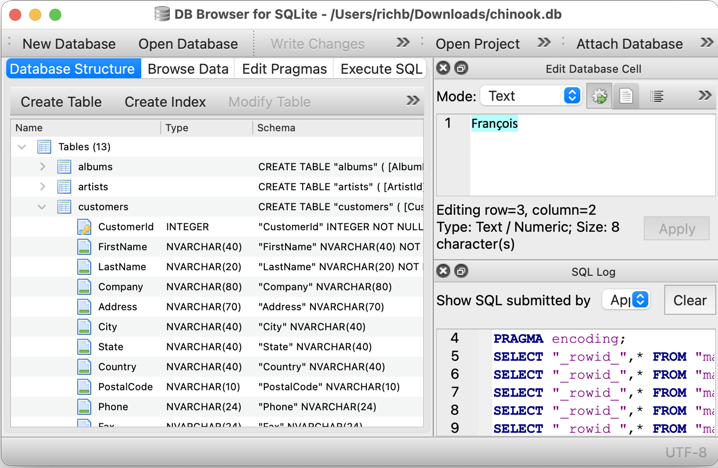
SQLite is a lightweight, serverless database that stores data in a single file. It is widely used in mobile applications, desktop tools, and embedded systems where simplicity and low overhead are critical.
CockroachDB is a modern distributed SQL database designed for cloud-native applications. It provides horizontal scalability, strong consistency, and high availability, making it suitable for global enterprise systems.
Choosing the Right Database
Selecting the right relational database depends on your application requirements:
- Use PostgreSQL for complex enterprise workloads and high data integrity.
- Choose MySQL or MariaDB for web applications and simpler architectures.
- Opt for SQLite in lightweight or embedded environments.
- Consider CockroachDB for distributed, cloud-native systems requiring global scalability.
Conclusion
Open-source relational databases have matured into powerful, enterprise-ready solutions capable of supporting mission-critical applications. Whether you are building a microservices architecture, a financial system, or a scalable SaaS platform, these databases provide the foundation for performance, reliability, and future growth.
By carefully evaluating your requirements and choosing the right database, you can leverage the full potential of open-source technologies while maintaining control, flexibility, and cost efficiency.
Azure Cosmos DB –https://tutexchange.com/how-to-integrate-net-aspire-with-azure-cosmos-db/